BRIX Release: Summer 2026
BRIX is gaining momentum
Less manual work in your workflows, faster decisions for your business. BRIX AI can now read scans and transcribe voice calls, CX consolidates conversations across all channels with enterprise-grade data protection, support operates more autonomously, procurement gets AI-driven analysis, and document management gets subtle, everyday time-saving refinements.
The summer release of BRIX AI expands the data formats your agents can handle: text from scans, PDFs, and call transcripts now instantly feed directly into your BRIX process context. Every data exchange with the model is protected by automatic data masking and Guardrails filtering aligned with your company’s policies.

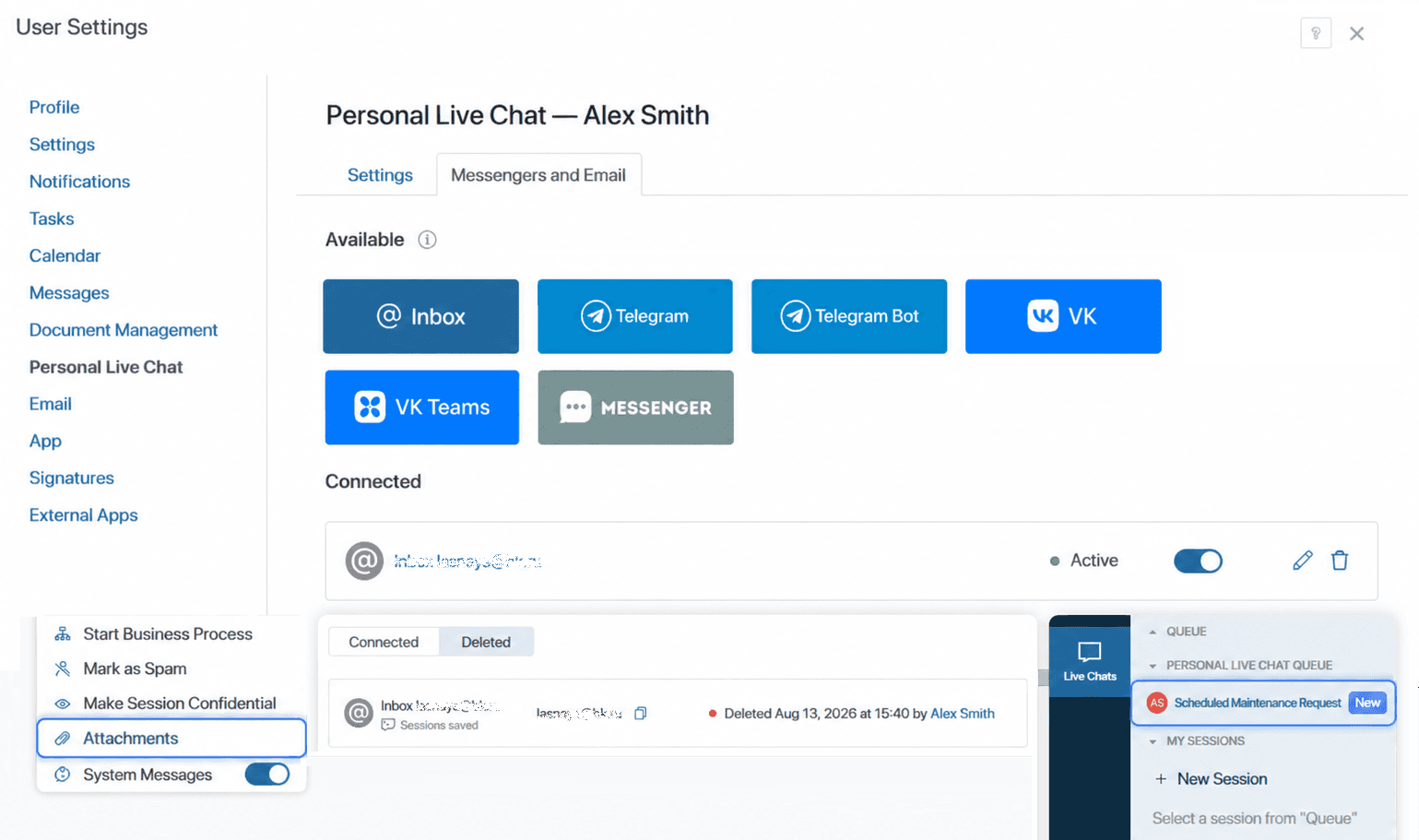
Employees can now link their personal messaging apps to the corporate network. Upgrades across email, CRM, and customer service help preserve the full interaction history, streamline handoffs between teams, and automate response processing.
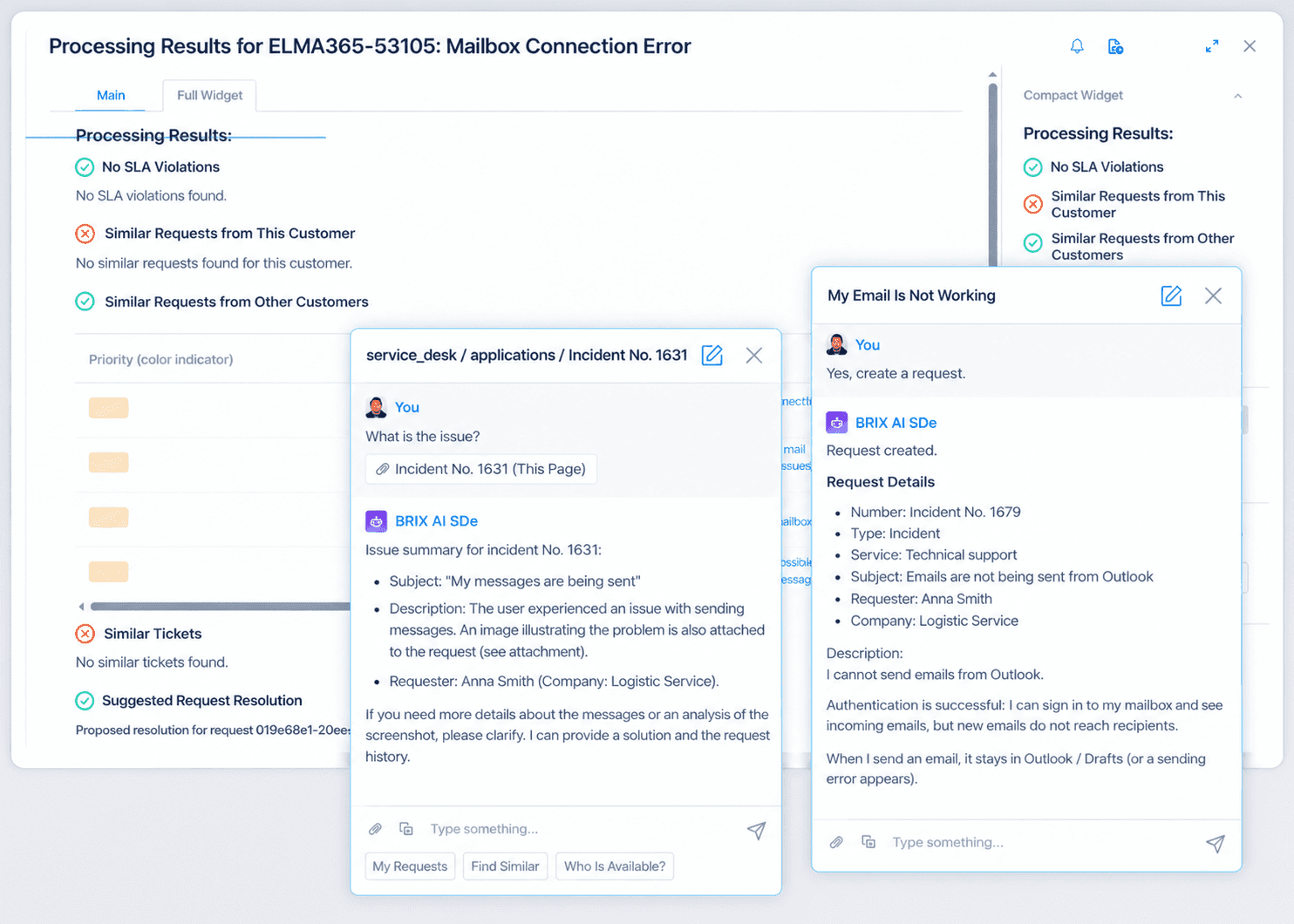
Support becomes significantly more autonomous just in time for the autumn business season: three pre-built AI agents handle request classification, information gathering, solution searching, and task execution on behalf of users. Adaptive rules can be configured without developers just with No-code, and requests automatically resume progress as soon as users reply.
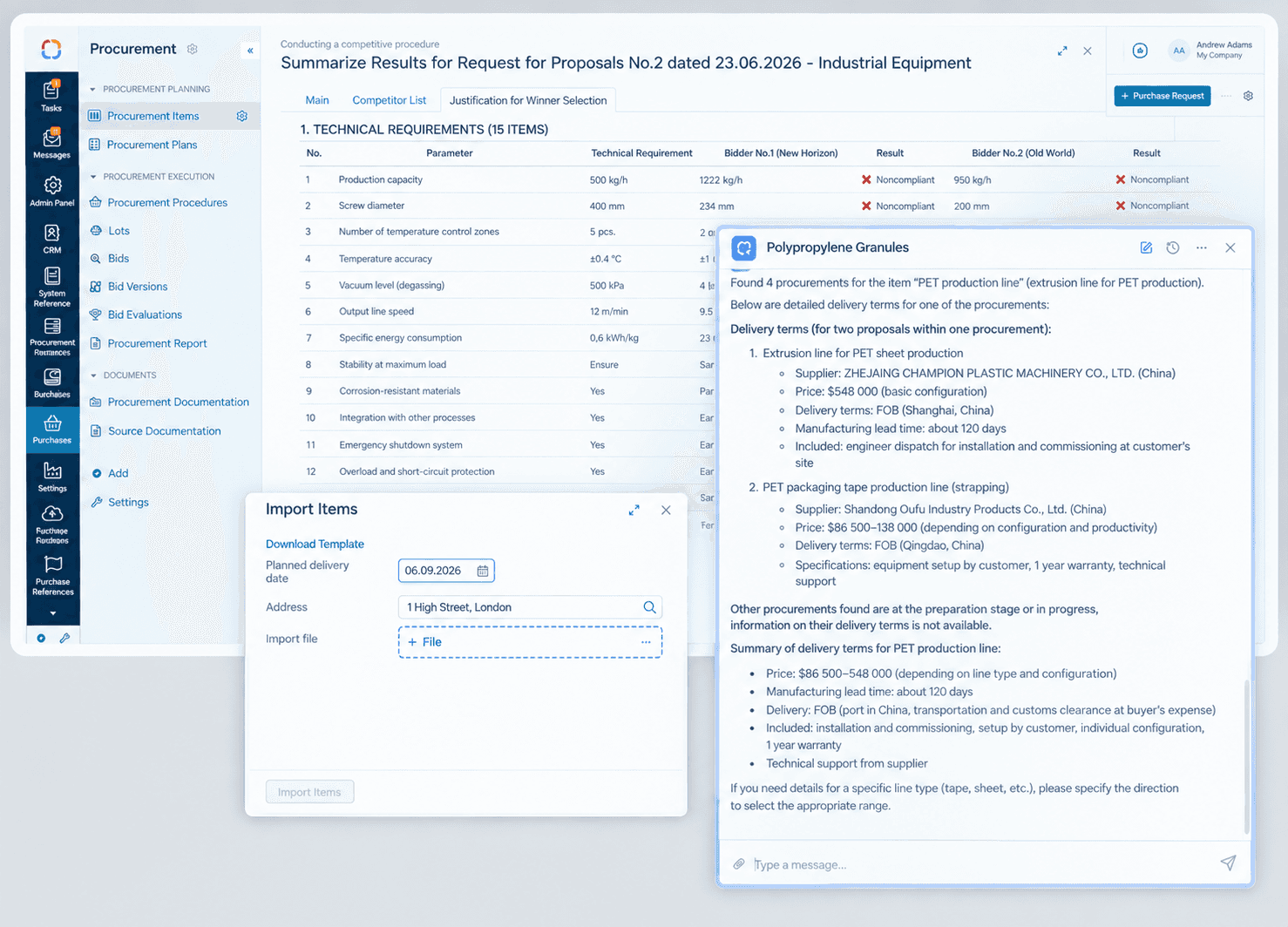
We’ve embedded AI into key touchpoints of the procurement workflow. An AI advisor analyzes market trends and purchasing history, while a dedicated agent matches supplier proposals against your technical specifications to highlight discrepancies. We’ve also introduced industry-tailored scenarios for construction and manufacturing, alongside direct Excel imports for itemized requests using your custom templates.
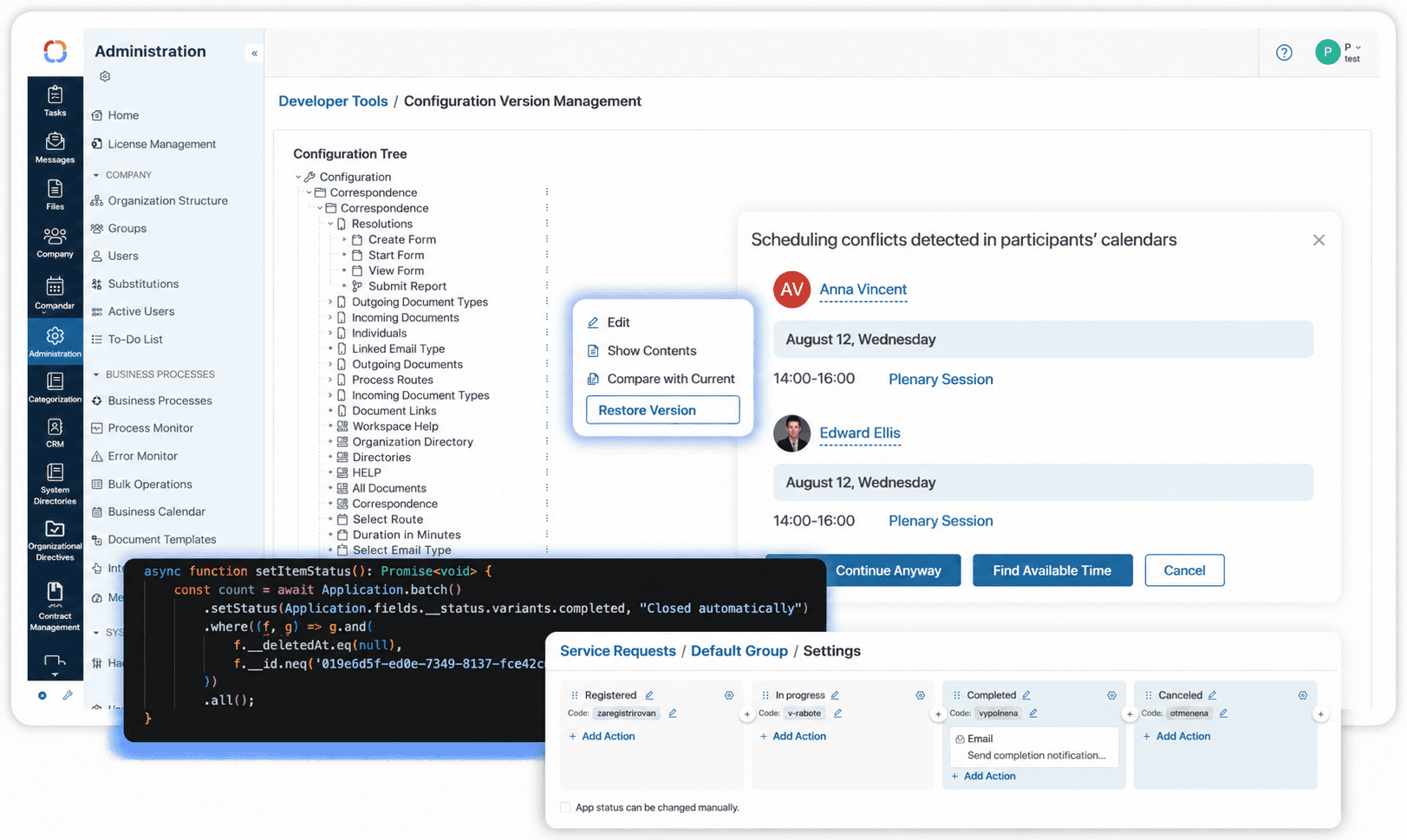
In the BRIX ECM summer release, we focused on the everyday details that save valuable time: a status-based versioning model, deleted file recovery, flexible search options, and direct navigation to linked items right from the document page.
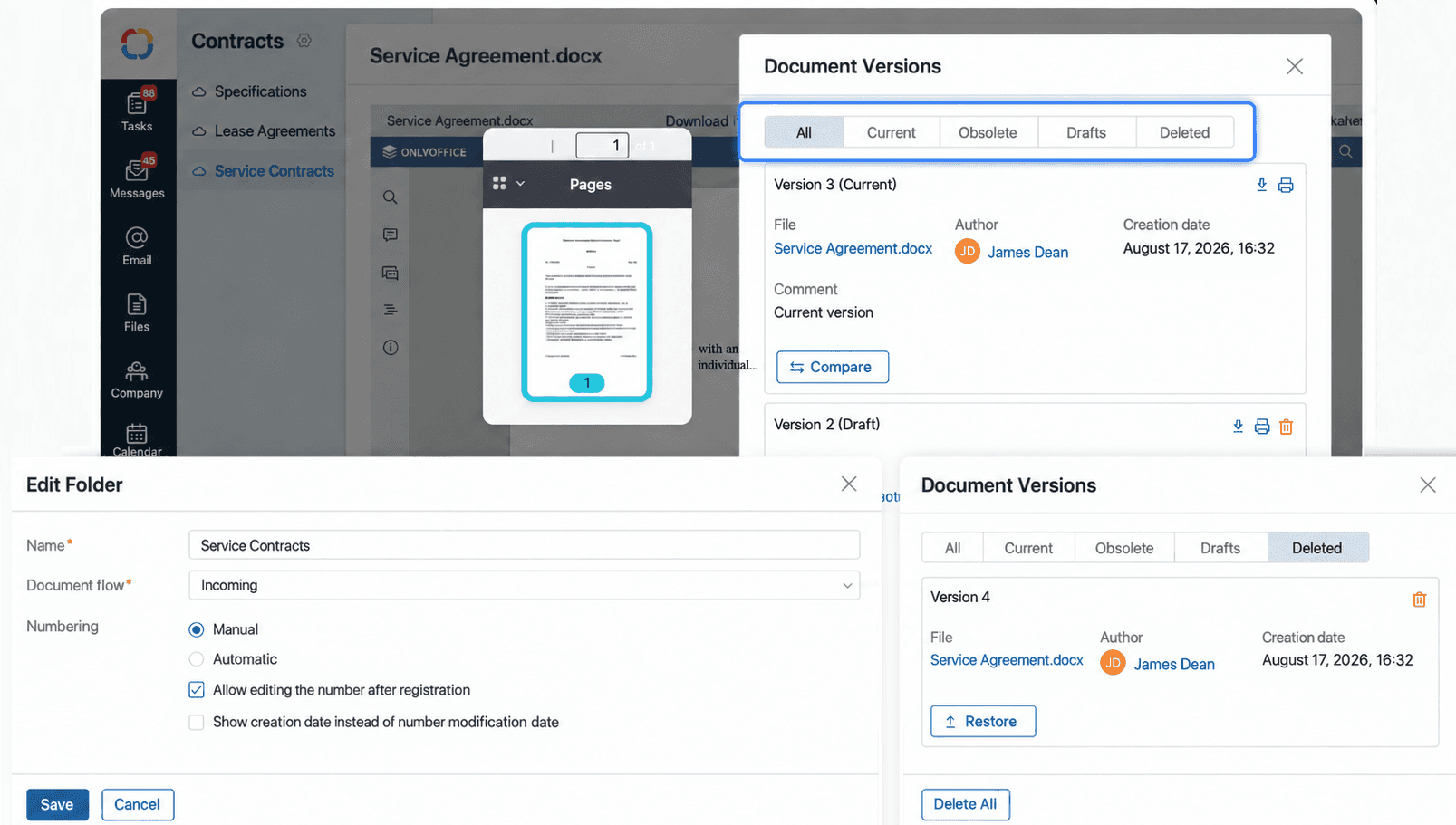
Versioning now covers apps, processes, modules, and API methods—allowing you to easily compare versions or roll back changes. We’ve also added distinct lifecycles for different business scenarios and enabled bulk data processing for up to 10,000 items at once.